
125 years of the Royal Australian Navy: A triumph in transatlantic technical sovereignty
How over a century of shared strategic partnership — pioneering British radar engineering, revolutionary American guided-missile development, and innovative Australian combat systems integration — created an enduring ‘invisible shield’ for the Navy and those it protects.
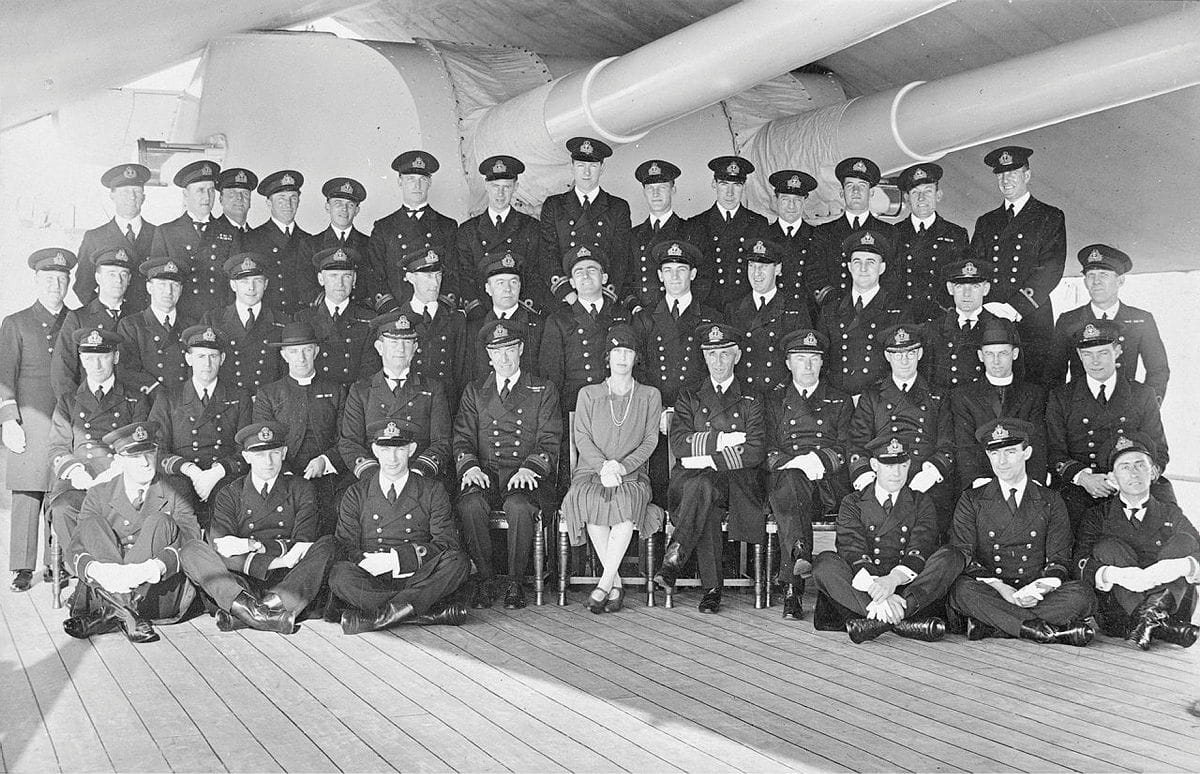
In March 1901, as the six Australian colonies unified into a single Commonwealth, a new maritime force emerged with the monumental task of safeguarding a vast island continent. With more than 25,000 kilometres of rugged coastline and no established naval shield, the challenge was immense.
Simultaneously, 10,000 miles away in London, pioneers at A.C. Cossor — established in 1859 and a precursor to RTX’s Raytheon and Raytheon Systems Limited — were perfecting vacuum tubes that would eventually provide the Royal Australian Navy, or RAN, with its ‘eyes’ in the dark.
This year marks a dual milestone: 125 years of the RAN and 125 years of the technological lineage that defines Raytheon Australia today. It’s a parallel history of three sovereign nations — the United Kingdom, the United States and Australia — whose shared evolution has transformed early British radar into a sovereign, AI-enabled enterprise that allows the Navy to detect, decide and act across vast ocean spaces. This global legacy of maritime defence remains one of the most sophisticated ‘invisible shields’ in modern warfare.
“As we reflect on 125 years of partnership with the Royal Australian Navy, our mission remains unchanged,” said Ohad Katz, managing director, Raytheon Australia. “The invisible shield we provide today is the result of a direct line from our scientists in the lab mastering the physics of detection to our engineers in our facilities across Australia ensuring that every system is mission ready. It is this bond between the innovator, the producer and the sailor on deck, that will secure Australia’s maritime sovereignty for the next century and beyond.”
To understand how deeply the RAN’s capabilities are rooted, it’s worth looking back to where the invisible shield first began.
Founding British technology: The heritage of the invisible shield
The concept of an invisible shield began with glass and light, not steel. A.C. Cossor, originally a London-based scientific glassware company, transitioned from crafting vacuum valves to pioneering electronics in the early 20th century. As the RAN established its Pacific presence, Cossor emerged as a leader in British high-tech innovation.
“The RAN’s milestone represents more than a supplier-customer relationship; it’s an enduring legacy of sovereign DNA.” — James Gray, Raytheon UK CEO
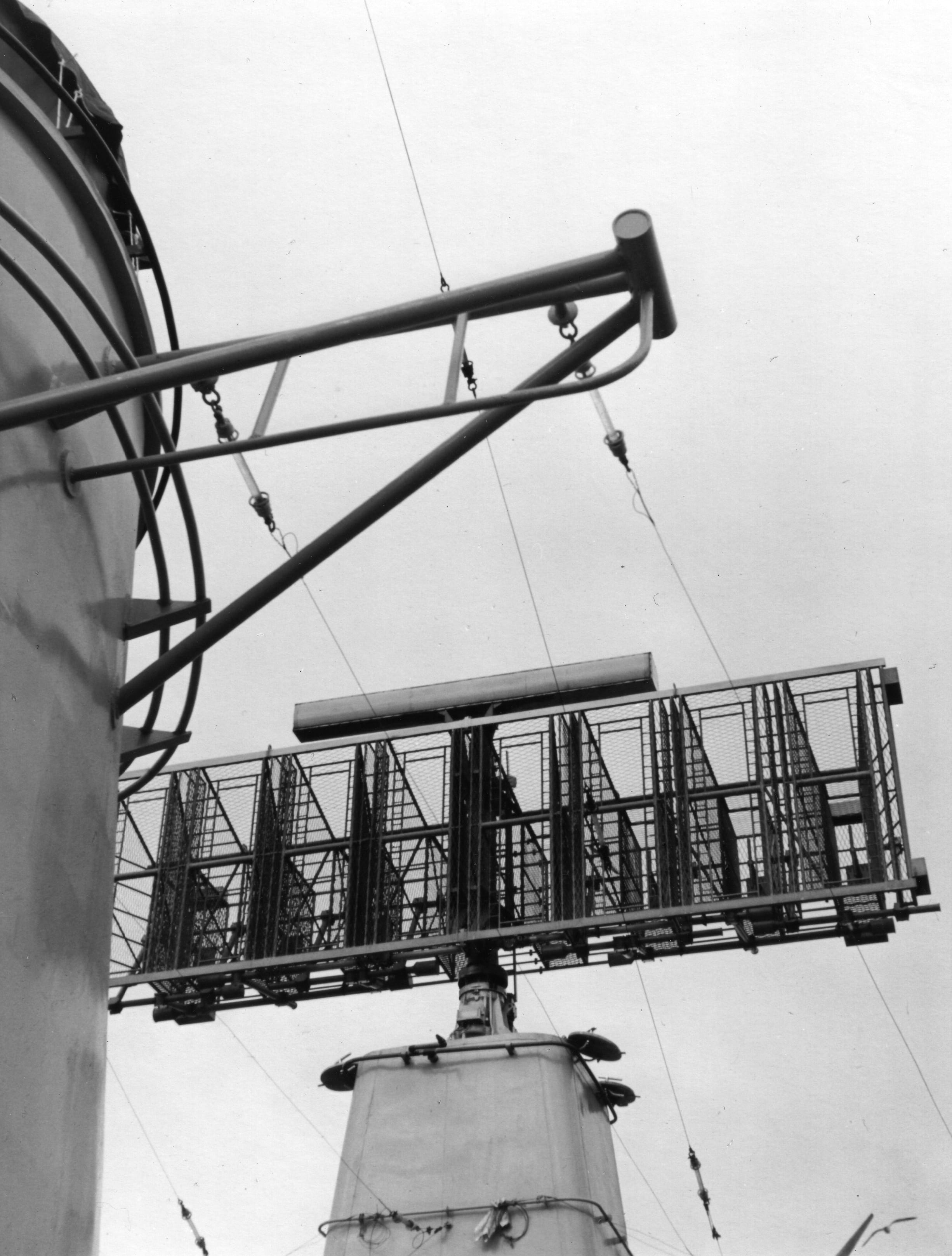
During World War II, Britain’s radar expertise was critical for the RAN in defending Australia’s northern coastline and vital maritime approaches. It was Cossor’s technology that enabled Australian sailors to see through the fog and darkness. This period marked a transformative leap in long-range detection, turning radar from a laboratory concept into a vital naval sensor.
James Gray, chief executive officer of Raytheon UK, said, “This RAN milestone is more than just a supplier-customer relationship; it’s a legacy of sovereign DNA. Our shared technology lineage with the RAN began with A.C. Cossor’s Harlow factory, which became home to Raytheon Systems Limited in the 1950s. From Cossor’s early radar pulses to RTX’s cutting-edge AI and hypersonic systems today, 125 years of collaboration have forged a robust network safeguarding Australia’s national security.”
That momentum carried forward into the post‑war decades, setting the stage for a defining shift in the partnership.
1961: The transatlantic leap
In 1961, the partnership went global when Raytheon — the US pioneers of guided missiles — acquired the expertise of A.C. Cossor. This created a transatlantic powerhouse by merging British sensor innovation with American precision-strike capability. For the RAN, this meant access to a new era of defence.
As the Navy transitioned from traditional guns to guided-missile destroyers, collaboration between the UK and US branches of the RTX lineage provided the technological backbone. It was here that the concept of a Combat System began to take shape — not just seeing the threat but possessing the ‘brain’ to process that data and neutralise it in seconds.
“We are realising the vision of the ‘digital ship of the future’ — a vessel where AI-driven combat systems expand the invisible shield to unprecedented depths.” — Warren Latham, general manager, Maritime Systems, Raytheon Australia
In time, this global lineage would take on a distinctly Australian character.
The sovereign Australian era
This era is defined by the transition from physical hardware to a more integrated ‘cognitive shield.’ While long-range detection provides the RAN with the vital eyes to see across the vast horizons of the Indian and Pacific Oceans, the RTX-integrated Combat System provides the brain.
It is here that AI and machine learning come to the fore, enabling the ‘digital ship of the future’ to process data at the speeds required for hypersonic defence and the ‘decision-to-action’ cycle that defines modern maritime security.
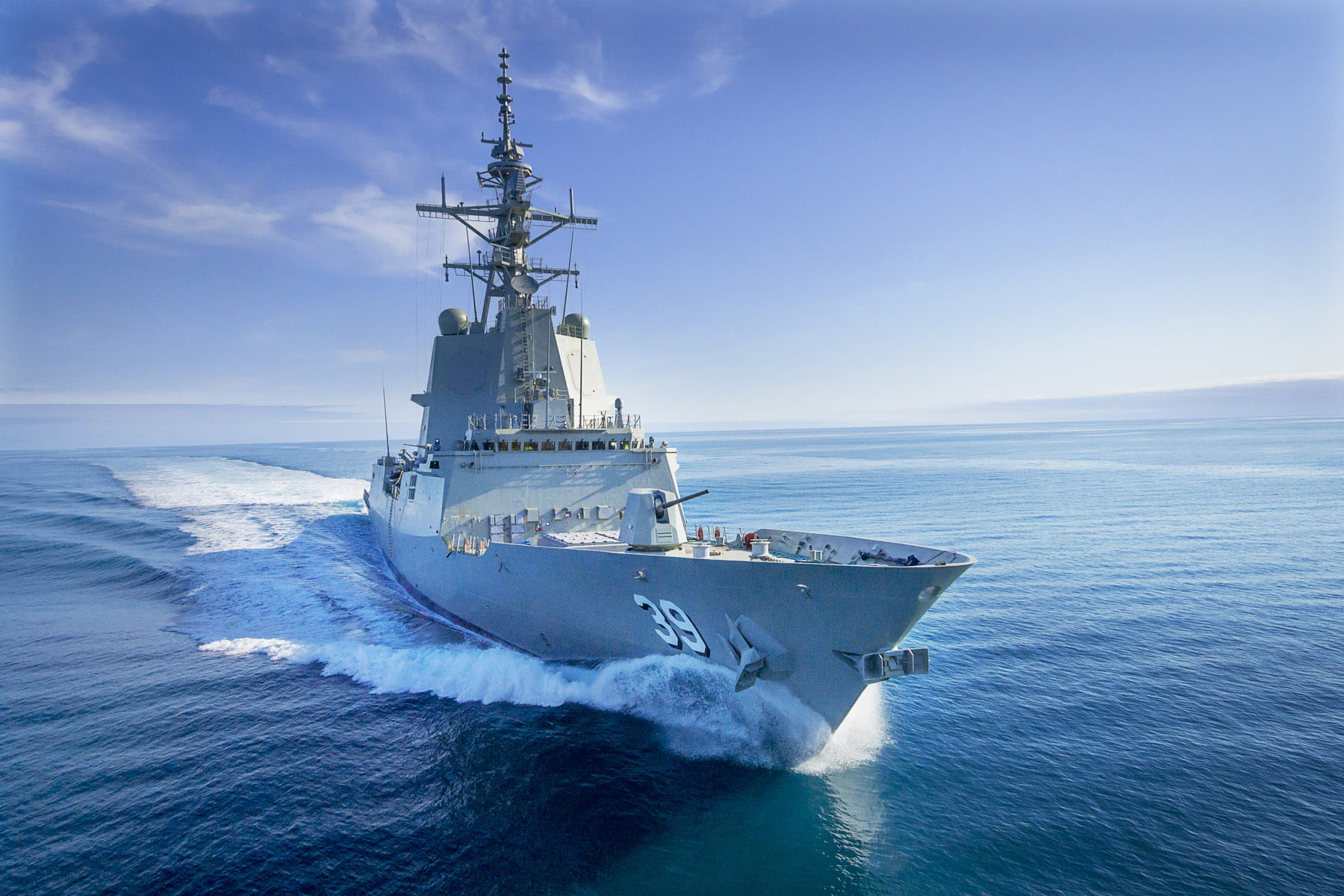
Today, Raytheon Australia manages some of the most complex integrated combat systems in the world, including those aboard the Hobart-class destroyers and the Collins-class submarines.
The technology partnership is no longer simply imported but has become sovereign. By integrating Australian-developed sensors like the CEA-FAR radar with global combat architecture, Raytheon Australia ensures the invisible shield is distinctively tailored to Australia’s strategic needs.
“It is this bond — between the innovator, the producer and the sailor on deck — that will secure Australia’s maritime sovereignty for the next century and beyond.”— Ohad Katz, managing director, Raytheon Australia
This sovereign capability is sustained by the people who bring it to life.
From lab to sea
Creating a sovereign invisible shield requires a singular alchemy of scientists and engineers. Raytheon’s ‘lab-to-sea’ pipeline ensures that when a RAN sailor stands the watch, they are supported by over a century of accumulated intellectual property and scientific discovery.
This connection is strengthened by the fact that over one-third of Raytheon Australia employees are veterans. This creates an unmatched cycle of trust; these experts not only understand the technology — they intrinsically understand the weight of the mission.
“When you’re on mission, you want the technology to be a seamless extension of your own intent,” says Jeremy Baumgarten, Raytheon Australia capture manager and RAN veteran. “Ensuring the next generation of sailors has the most reliable tech is a personal mission for us.”
Today, that foundation supports the RAN’s most ambitious chapter yet.
The AUKUS future: The digital ship
As the Royal Australian Navy marks 125 years of service, the partnership with the RTX lineage is already pivoting toward its most ambitious chapter yet: AUKUS.
The trilateral pact represents the natural evolution of shared transatlantic technical sovereignty, spanning from the underwater stealth of nuclear-powered submarines to the advanced innovations of AUKUS Pillar 2.
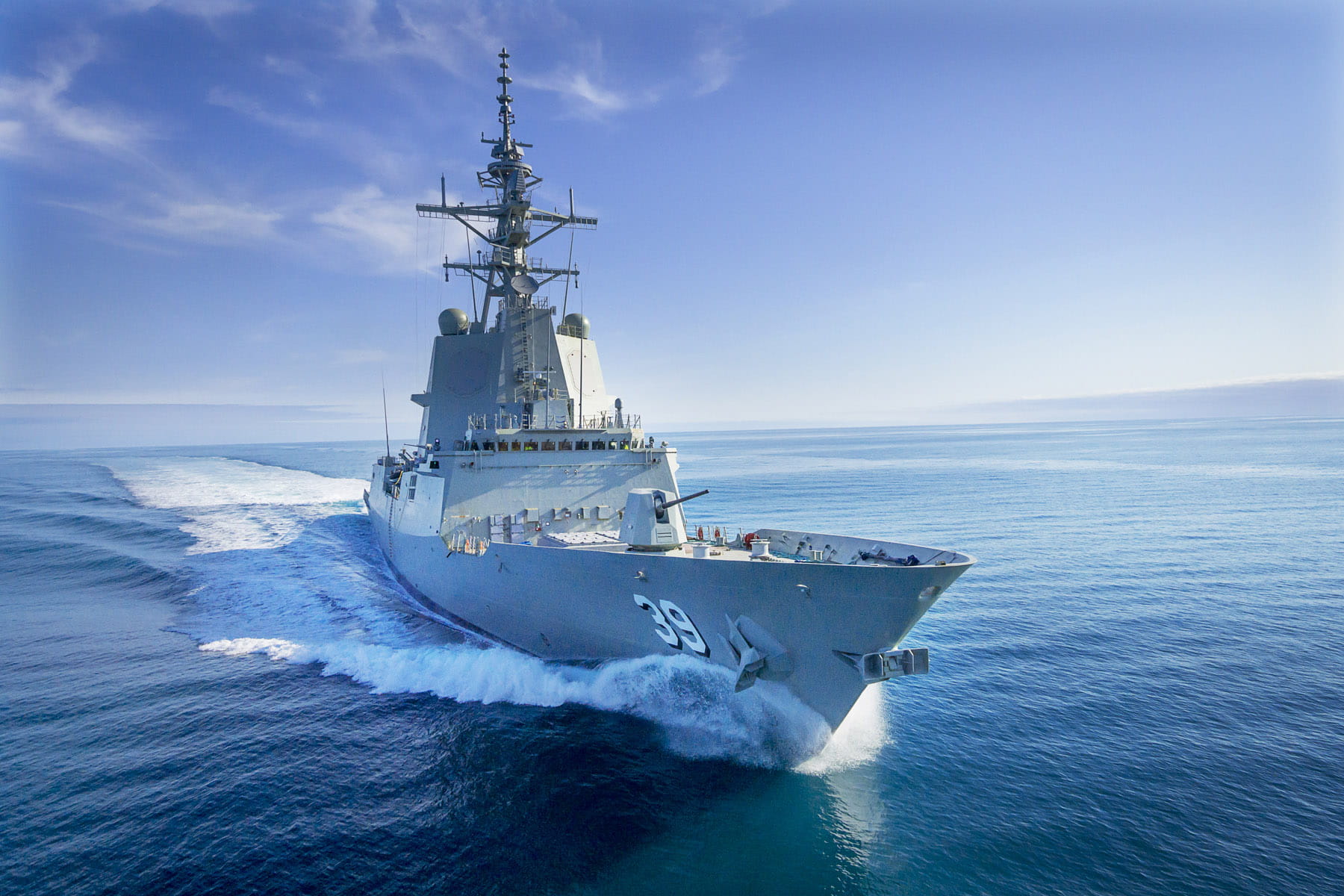
“By integrating these capabilities, we are realising the vision of the ‘digital ship of the future’ — a vessel where AI-driven combat systems and quantum sensors expand the invisible shield to unprecedented depths,” said Warren Latham, general manager, Maritime Systems, Raytheon Australia and RAN ex-serving officer. “Whether it is the upcoming conventionally armed nuclear-propelled submarines or the latest surface combatants, Raytheon Australia remains committed to ensuring the men and women of the RAN always possess the technological edge required to secure our sovereign waters.”
A century and a quarter after the RAN first set out to protect a vast and isolated continent, the mission remains the same — even as the technology transforms beyond anything imagined in 1901. From the first glass valves to today’s sovereign, AI-enabled combat systems, the invisible shield has evolved with each generation of innovators and sailors. As Australia enters its next era of maritime security, that legacy of shared ingenuity continues to define the partnership and the protection it delivers.